Project update
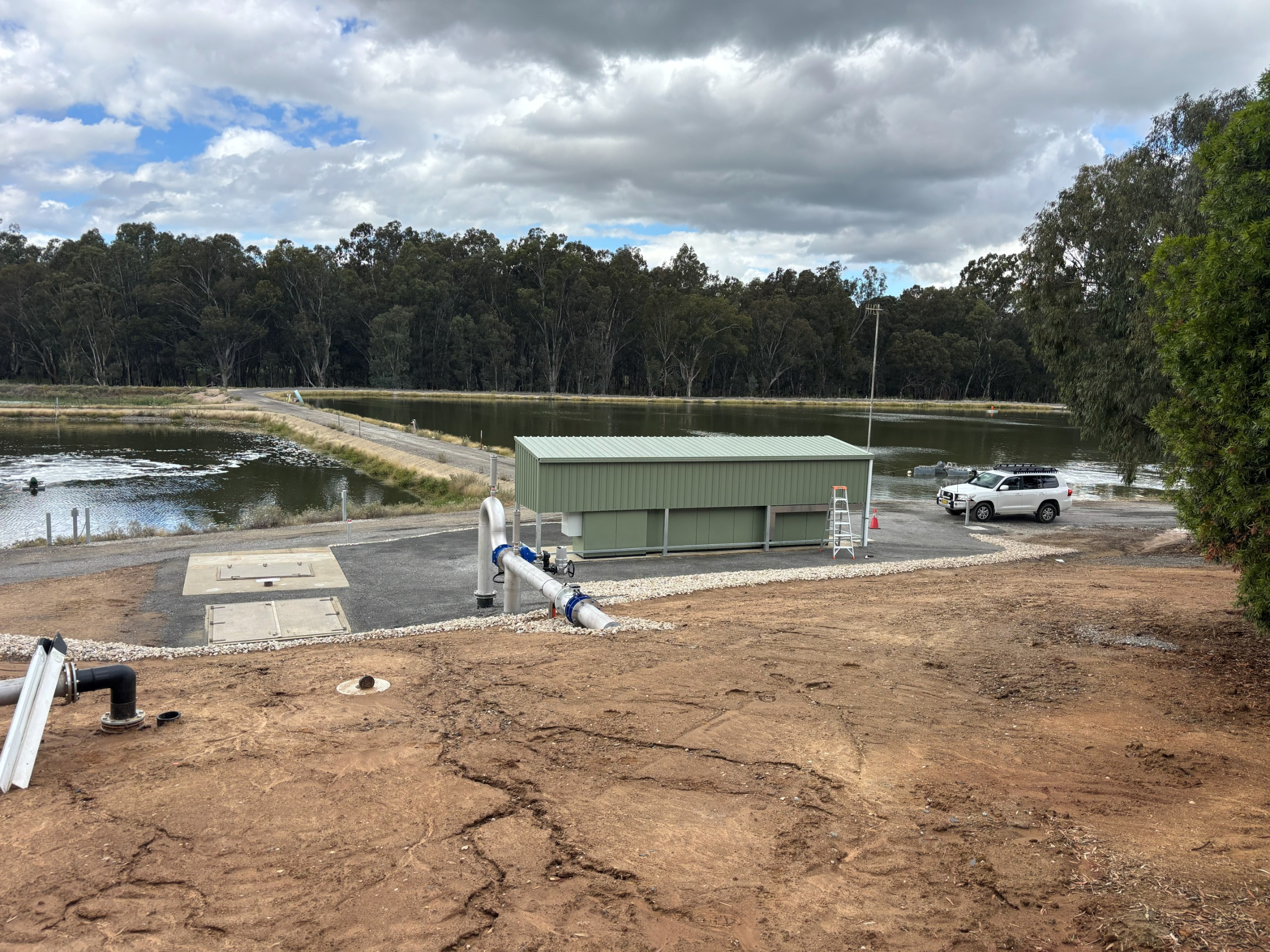
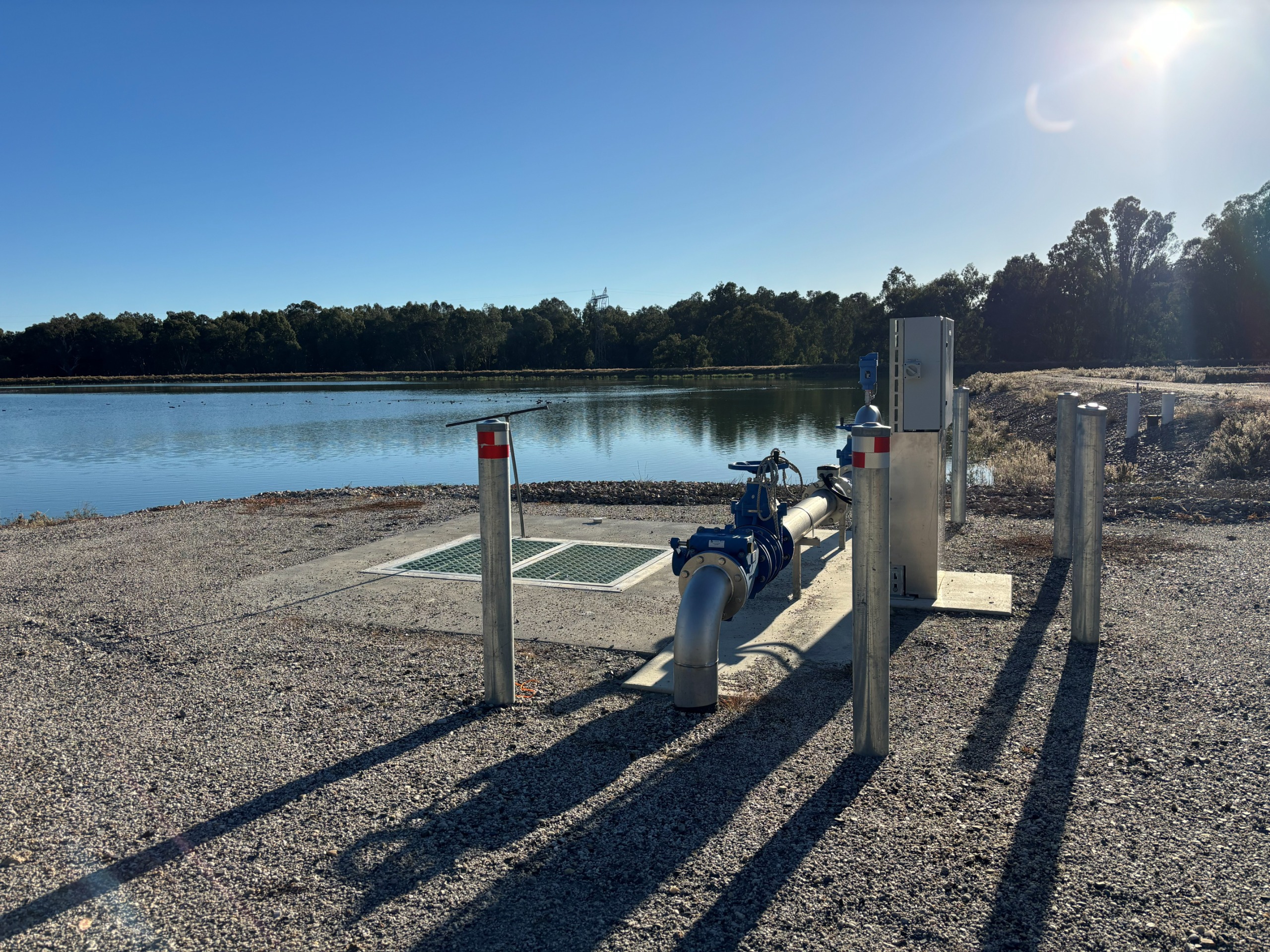
The site works at Baranduda WWTP Lagoons (related to the installation of new infrastructure and switchboard upgrade) has now concluded. The project has delivered increased functionally to manage inflows, provided improve resilience in dealing with wet weather events, and will support future growth in the region.
Project overview
Wodonga is experiencing unprecedented growth and the Leneva Valley has been identified as a key area for residential and community development on the city’s rural outskirts. To support this growth, the capacity of both the Baranduda Sewer Pump Station (SPS) and Middle Creek SPS need to be increased.
Currently, wastewater is collected at the Baranduda Wastewater Treatment Plant (WWTP) and pumped to Middle Creek SPS, before transferring to the Wodonga gravity reticulation system, eventually ending up the West Wodonga Wastewater Treatment Plant.
To meet the project goals, we need to upgrade the existing pipework between the pump stations. This includes installing new pumps and electrical switchboards at each site. During these works, some pump stations will need to be temporarily shut down, so alternative flow management will be put in place.
North East Water has hired an experienced contractor for this work and is actively managing any impacts from the diversions.
Middle Creek sewer pump station bypass
The works to the Middle Creek SPS are essential to managing wastewater services for the townships of Baranduda, Ebden, Killara, Kiewa, Riverside Estate, Tangambalanga and the Leneva growth corridor.
Infrastructure upgrade at Middle Creek SPS was completed in the first week of December 2025.
The completion of the Middle Creek sewer pump station marks a significant milestone to supporting growth in the region, with the project now moving to the final state of works at Baranduda Treatment Plant now at completion.
Importantly, there will be no change to your sewer services.